Our community has been asking fair questions about FOGO, waste charges, and what’s being done to fix the challenges our region is facing. We hear you, and you deserve straight answers.
This page provides the latest information and updates for Bunbury residents.

Latest update: Tuesday, 23 June 2026
At a Special Council Meeting on Monday, 22 June 2026, Council endorsed proceeding with a solution to resume FOGO processing for our community, ending more than a year of organic waste being directed to landfill.
Here's what was decided, what it means for you, and what happens next.
Resuming FOGO processing
Following the closure of the Banksia Road Organic Processing Facility in December 2024, FOGO collected from Bunbury households has been directed to landfill as an interim measure. Council has now endorsed engaging contractors to transport and process our community's FOGO at licensed facilities, returning it to productive use as compost.
Processing is expected to commence from October 2026.
In the short term, material will be transported to processors in the Perth metropolitan area - currently the nearest licensed facilities. We know that's not ideal, and it's part of why we remain committed to a permanent regional solution (more on that below).
Being upfront about the cost
We won't pretend otherwise: resuming FOGO processing costs more than continuing to send material to landfill.
- Continuing to landfill: approximately $574,000 per year
- Resuming FOGO processing: approximately $1.27 million per year
- Additional cost: around $695,000 per year
Processing organic waste costs more than landfill disposal, and the distance to processing facilities in Perth adds further to that cost.
But Council isn't accepting that figure as final. We're actively working to bring the cost down through several strategies:
- Working with the State Government on transport support
- Collaborating with neighbouring shires to share transport costs
- Continuing to negotiate the contract price
- Pursuing a permanent regional processing facility to remove long-distance transport costs
Why the City believes it's worth it
This decision is about more than a single budget year.
Landfill is cheaper today, but it carries growing financial and environmental costs tomorrow. As the first South West council to introduce FOGO in 2013, Bunbury has long led on sustainable waste management. Continuing FOGO:
- Keeps valuable organic material out of landfill and returns it to our soils
- Supports waste diversion targets and the circular economy
- Protects the City against potential future State landfill levies
- Maintains our eligibility for grant funding tied to waste reduction
- Keeps momentum toward a permanent regional processing facility
Continued State support will be important to keeping FOGO viable into the future, and we'll keep working with the State Government to make that happen.
The long-term goal: a regional facility
The City remains committed to supporting the development of a permanent FOGO processing facility right here in the South West.
A regional facility would:
- Significantly reduce costs by removing long-distance transport to Perth
- Reduce transport emissions
- Support the local agricultural sector through beneficial compost products
- Deliver genuine circular economy outcomes for our region
A previous regional procurement process in mid-2025 was unsuccessful due to limited contractor availability and high costs at the time. Market conditions have since shifted, and Council remains committed to pursuing this outcome with regional partners.
Transporting FOGO to Perth is the interim step. A regional facility is the long-term goal.
The State Government rebate
The State Government has offered South West councils a transport rebate to help cover the cost of getting FOGO to processing facilities.
This rebate is the result of sustained advocacy by South West councils, including Bunbury. The State's original proposal was a sliding scale starting at $75 per tonne and dropping to $20 per tonne by year three. South West councils pushed back, and the revised flat rate of $95 per tonne across all three years is a significantly better outcome for our community.
We'll continue working with the State to ensure the support reflects the real cost of delivering FOGO services in regional areas.
How we got here
This decision is the result of a deliberate, staged process:
- 2013 – Bunbury becomes the first South West council to introduce FOGO
- December 2024 – Banksia Road Organic Processing Facility closes; FOGO temporarily directed to landfill
- Mid-2025 – A regional processing tender is unsuccessful due to limited availability and high costs
- April 2026 – Council authorises a transport tender to establish real costs, secures an improved State rebate ($95/tonne flat rate, up from a sliding scale), and commits to pursuing a permanent regional facility
- June 2026 – Following the tender, Council endorses proceeding with FOGO processing, expected to commence October 2026
Throughout, the City has advocated strongly for South West councils – including securing the improved State rebate and pushing for support that reflects the real cost of regional FOGO services.
What it means for residents
There is no immediate change for households. Your FOGO bin continues to be collected as part of your regular waste service. Until processing commences, material continues to be directed to landfill.
When processing resumes, keeping contamination out of your FOGO bin will be more important than ever – clean material avoids additional disposal costs and supports the long-term viability of the service.
Our investment in getting this right
Council is backing these decisions with real action and real investment:
- $1 million toward restoring the Banksia Road Organic Processing Facility
- Committing to the additional cost of resuming FOGO processing (around $695,000 per year) rather than taking the cheaper landfill option
- Successful advocacy that improved the State rebate from a sliding scale to a flat $95 per tonne
- A clear plan to reduce costs through State support, shared regional transport, and contract negotiation
- Commitment to a permanent regional facility as the long-term solution
- Ongoing engagement with State Government, regional partners, and industry
We won’t pretend the path here has been smooth. But these decisions represent the clearest, most structured plan we’ve had to get FOGO working properly – not just for now, but for the long term.
What you can do
Your role matters more than ever:
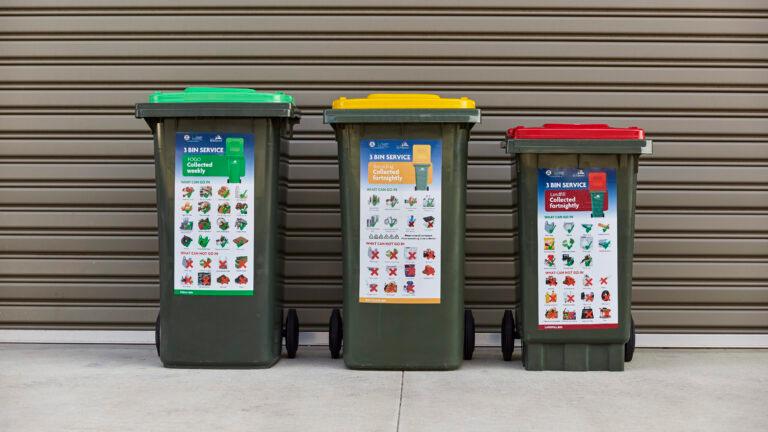
✔️ Only food scraps and garden organics in your lime-green FOGO bin
✖️ No plastics, no packaging, no bin liners
✔️ When in doubt, leave it out
✔️ Consider home composting where possible
Not sure what goes where? Visit our Sorting Your Waste guide for a simple breakdown of what belongs in each bin.
What happens next
We'll keep this page updated as things progress. Key milestones ahead:
- Successful contractors to be named once procurement notifications are complete
- Continued negotiation and advocacy to reduce costs
- FOGO processing expected to commence from October 2026
- Continued progress toward a permanent regional facility
The City will provide ongoing updates as contracts are finalised and processing resumes.
Questions?
We’ve answered the most common questions we’re hearing below. If yours isn’t covered, contact our Waste Services team on 9792 7333.
Last updated: 23 June 2026
Frequently Asked Questions
We understand the frustration, and it’s a fair question.
Your waste service charges cover much more than just bin collection. They fund a range of essential services that keep our city clean and safe every day, including verge collections, street sweeping, public and event bin maintenance, hard and green waste services, waste fleet maintenance, illegal dumping response, litter collection, graffiti removal, and waste education. These services operate regardless of which bin configuration is in place.
It’s also worth noting that since FOGO material started being directed to landfill in late 2024, disposal costs at the gate have actually increased by over 21%. The City has absorbed that increase rather than passing it on to residents.
We understand the frustration that FOGO isn’t currently being processed as intended.
Council has now endorsed proceeding with FOGO processing, expected to resume from October 2026. We’ll be upfront – processing costs more than landfill, and Council is actively working to reduce that cost through State support, shared regional transport, and contract negotiation.
We want FOGO working properly for our community, and this decision gets us moving again. More detail on the decision and costs is available on this page.
We understand the appeal of simplifying things, especially through a frustrating period.
Council did consider alternative service models, including a two-bin system, as part of its review – and has endorsed continuing with FOGO. Any move away from FOGO would need to account for the financial, environmental, and regulatory implications for our community.
Moving away from FOGO would also mean:
- More organic waste going directly to landfill, with rising disposal costs and environmental impacts
- Moving away from State waste strategy requirements that all WA councils are working toward
- Potentially exposing the City to future State landfill levies
- Losing the infrastructure and community investment we’ve built over more than a decade
- Potentially losing access to State Government funding and support tied to waste reduction
We’re committed to making FOGO work properly. Council has endorsed resuming FOGO processing, expected from October 2026, with material transported to licensed facilities in the short term while we pursue a permanent regional processing facility for the long term.
We hear you, and we share your frustration that FOGO processing hasn’t been available during this period.
It’s worth noting that your waste service charges cover much more than just bin collection. They fund verge collections, street sweeping, public and event bin maintenance, hard and green waste services, waste fleet maintenance, illegal dumping response, litter collection, graffiti removal, and waste education, and development of future processing infrastructure.
Any move away from FOGO would need to account for the financial, environmental, and regulatory implications for our community, including potentially exposing the City to future State landfill levies.
We’re committed to making FOGO work properly. Council has endorsed resuming FOGO processing, expected from October 2026, with material transported to licensed facilities in the short term while we pursue a permanent regional processing facility for the long term.
As part of its review, Council considered alternative service models, including a potential return to a two-bin system. After weighing the options, Council determined that continuing with FOGO processing best supports the community’s long-term interests, environmental commitments, and protection against future State landfill levies. The current focus is on resuming FOGO processing while working to reduce costs
Right now, we know it can feel pointless, and we understand that frustration.
Here’s why it still matters:
Keeping the habit going means we’re ready when processing resumes. Council has endorsed resuming FOGO processing from October 2026, and restarting community habits from scratch is much harder than maintaining them.
Contamination was a major factor in the challenges at Banksia Road. When processing resumes, clean inputs will be essential to keeping costs down and making the system work. Building good habits now sets us up for success.
Your effort directly affects cost. Contaminated loads cost more to process and dispose of. Every household that gets it right helps keep FOGO affordable and viable for our community.
We’re asking our community to stay the course. It won’t be wasted effort.
Following the closure of the Banksia Road facility in December 2024, the nearest licensed FOGO processing facilities are located in the Perth metropolitan area. We agree this isn’t ideal – the transport distances and associated costs are exactly why a permanent regional processing facility is needed.
In the interim, FOGO will be consolidated locally before being transported to Perth for processing, which helps reduce overall transport costs. The State Government provides a $95 per tonne rebate to help offset these costs, and Council is continuing to work with the State to increase that support.
Council remains committed to establishing a permanent FOGO processing facility right here in the South West. That’s the long-term fix – processing organic waste locally, reducing transport costs and emissions, and supporting our regional economy.
Your FOGO bin continues to be collected on your scheduled collection day. Currently, FOGO material is being directed to landfill following the closure of the Banksia Road processing facility in December 2024.
We know this isn’t the outcome anyone wants – and there’s good news. Council has endorsed resuming FOGO processing, expected from October 2026. In the short term, material will be transported to licensed facilities in Perth, while Council pursues a permanent regional processing facility as the long-term solution.
In the meantime, we encourage residents to keep separating food and garden organics correctly and to compost at home where possible. When processing resumes, clean material will be essential to keeping costs down and making the system work.
Council has endorsed resuming FOGO processing for our community. Here’s the plan:
Resuming processing: FOGO processing is expected to resume from October 2026. In the short term, material will be transported to licensed facilities in Perth.
Managing the cost: Resuming processing costs more than landfill – around $1.27 million per year, compared to approximately $574,000 to landfill, an additional cost of around $695,000. Council is actively working to reduce this through State support, shared regional transport, and contract negotiation. The State Government provides a $95 per tonne rebate – a significant improvement on its original sliding-scale offer, secured through advocacy by South West councils including Bunbury.
A permanent regional facility: Council is supporting the development of a permanent FOGO processing facility within the South West – the long-term solution that would significantly reduce costs by removing long-distance transport to Perth.
We’ll provide updates as contracts are finalised and key milestones are reached.
Council is working on multiple fronts:
- Resuming FOGO processing: Processing is set to resume from October 2026, with material transported to licensed facilities while a permanent regional solution is developed
- A permanent regional facility: Pursuing a local processing facility in the South West – the long-term solution that removes costly long-distance transport
- Reducing costs: Working with the State Government on support, collaborating with neighbouring shires on shared transport, and negotiating contract pricing
- BHRC governance review: Evaluating the operating model, governance structure, and long-term options with the Shire of Harvey
- Industry and regional partnerships: Exploring opportunities with the waste industry and neighbouring councils for sustainable regional solutions
We know our community has wanted a clear answer on when FOGO would be processed again. Council’s decision to resume processing from October 2026 provides that, while the work toward a permanent regional facility continues.
We also know that “we’re working on it” isn’t an answer anyone wants to hear indefinitely. This decision is a concrete step forward – Council is committed to delivering a sustainable, long-term plan, not just managing the status quo.
The City has provided financial support to the Bunbury Harvey Regional Council over several years to ensure our community retains access to essential waste services. Over the past five years, this has included contributions toward operations, infrastructure, landfill capping, and facility remediation totalling several million dollars.
We won’t sugar-coat it, continued contributions of this nature aren’t sustainable, and our community rightly expects a better path forward.
That’s why Council is actively reviewing the BHRC governance structure and operating model, working with the Shire of Harvey to establish a long-term arrangement that is financially sustainable and delivers value for ratepayers.
BHRC operates key waste infrastructure for our community, including the Stanley Road Waste Management Facility and waste transfer stations serving Bunbury and Harvey residents. These services need to continue operating while the review progresses.
Council approved an operating contribution of $280,000 to the Bunbury Harvey Regional Council for the 2025/26 financial year. This represents the City’s 50 per cent share, with the Shire of Harvey contributing an equal amount.
BHRC operates the region’s only municipal landfill and recycling facility at Stanley Road. Current operating licence conditions have impacted the facility’s revenue, creating a short-term funding gap. This contribution ensures essential waste services continue for our community.
We won’t sugar-coat it, continued contributions of this nature aren’t sustainable. That’s why a comprehensive review of BHRC’s governance and operating model is underway, focused on establishing a long-term arrangement that delivers value for ratepayers.
Current waste service charges are set through the annual budget process. The contributions to BHRC are funded from the Refuse Collection and Waste Minimisation Reserve, which exists specifically for waste management purposes and does not impact other City services or general rates.
Any future changes to waste charges would be considered as part of Council’s annual budget deliberations, with community consultation as required.
Council is mindful of cost-of-living pressures and is focused on finding efficiencies and long-term solutions that minimise impacts on ratepayers.
Current waste service charges are set through the annual budget process. The contributions to regional waste infrastructure are funded from the Refuse Collection and Waste Minimisation Reserve, which exists specifically for waste management purposes.
Since FOGO started going to landfill, disposal costs have increased by over 21%. The City has absorbed this increase rather than passing it on to residents.
Council has requested a comprehensive report on service costs and options, including full financial modelling, to ensure any long-term decisions deliver value for the community. Any future changes to waste charges would be considered as part of Council’s annual budget process.
Council is mindful of cost-of-living pressures and is focused on finding solutions that minimise impacts on ratepayers.
This is a regional challenge affecting multiple South West councils, not just Bunbury. Several councils across the region have faced the same FOGO processing challenges following the closure of the Banksia Road facility.
Your waste service charges continue to fund essential services that operate every day – verge collections, street sweeping, public and event bin maintenance, hard and green waste services, waste fleet maintenance, illegal dumping response, litter collection, graffiti removal, and waste education.
Council is committed to ensuring our waste services deliver value for ratepayers. After reviewing costs and service options, Council has endorsed resuming FOGO processing from October 2026, while actively working to reduce costs through State support, shared regional transport, and contract negotiation.
We’ll keep our community informed as processing resumes and as we work toward a permanent regional solution.
It’s a fair assumption – and we’ll be upfront: sending FOGO to landfill does cost less right now than processing it. Resuming FOGO processing costs around $695,000 more per year.
So why are we doing it? Because landfill is the cheaper option today that carries growing costs tomorrow.
Organic waste in landfill generates greenhouse gas emissions and takes up valuable landfill space. The State Government is moving toward landfill levies for regional areas – similar to those already applied in Perth – which would significantly increase the cost of landfilling over time. Continuing FOGO also keeps the City eligible for waste-reduction grant funding.
There’s also no saving on collection – your bins are collected on the same schedule regardless, so the trucks are on the road either way.
Council has weighed this carefully and determined that resuming FOGO – while actively working to reduce the cost – is the better long-term decision for our community and our environment.
Council has endorsed resuming FOGO processing, with material expected to be processed again from October 2026.
In the short term, FOGO will be transported to licensed facilities in Perth, while Council pursues a permanent regional processing facility as the long-term solution.
In the meantime, we encourage residents to keep separating food and garden organics correctly. When processing resumes, clean material will be essential to keeping costs down and making the system work.
The State Government provides a $95 per tonne rebate to help offset the cost of transporting FOGO to processing facilities. This rebate is factored into Council’s decision to resume FOGO processing and helps reduce the cost to our community.
The rebate is itself a significant improvement on the State’s original offer – a sliding scale starting at $75 per tonne and dropping to $20 by year three. South West councils, including Bunbury, advocated strongly for a better deal, resulting in the flat $95 per tonne rate.
Even so, the real cost of transporting FOGO to Perth – particularly given current fuel and freight costs – exceeds the support currently provided. Council is continuing to work with the State Government to increase the rebate so it better reflects the genuine cost of delivering FOGO services in regional areas.
What can I do?
Not sure what goes where? Visit our waste guide for a simple breakdown of what belongs in each bin.
Contact details: Waste Services | 9792 7333 or info@bunbury.wa.gov.au
